
AI Insight
In-depth articles and field-tested playbooks on enterprise AI adoption
Model Benchmarks Have Plateaued — the Real Gap Hides in the Harness
Benchmarks keep climbing while real-world adoption stalls. What truly separates Agent products is the runtime control system beyond the model — the Harness. DeepSeek open-sourced its Harness (MIT), a fully pluggable architecture covering task loops, traceable logs, secure sandboxes, and multi-model adapters — shifting AI competition from raw intelligence to engineering.
Enterprise Agent Runtime Pipeline
A 20-step technical breakdown from trigger to write-back. Core mechanisms: Router dispatch · Worker execution · Judge validation · full traceability.
Enterprise AI Landing: The Full Pipeline
Enterprise AI landing is a complete chain: an enterprise knowledge hub × AI employees. The hub handles "knowing"; the AI employees handle "doing" — becoming role-based executors that keep working.

Resume Screening Agent Architecture
The most draining "dirty work" in recruiting — resume screening — is a perfect fit for an Agent. It collects resumes from multiple channels, parses them into structured data, scores fit, ranks, and syncs to ATS.
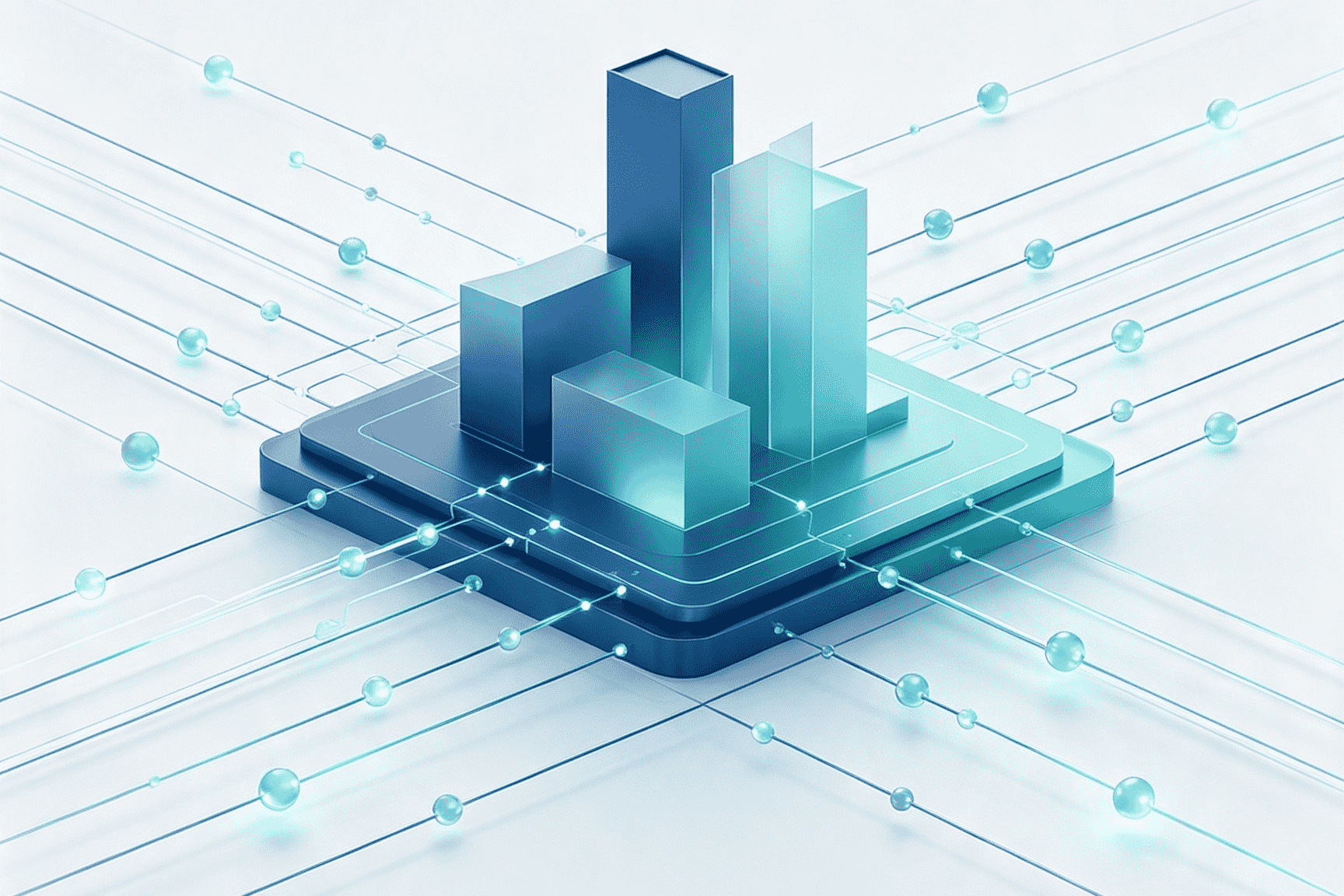
Enterprise AI Landing Architecture Overview
Enterprise AI landing rests on two carriers: an enterprise knowledge hub × AI employees. The skeleton is "questions in → AI execution → knowledge & model support" — upgrading enterprise AI from a chat box to an execution system.
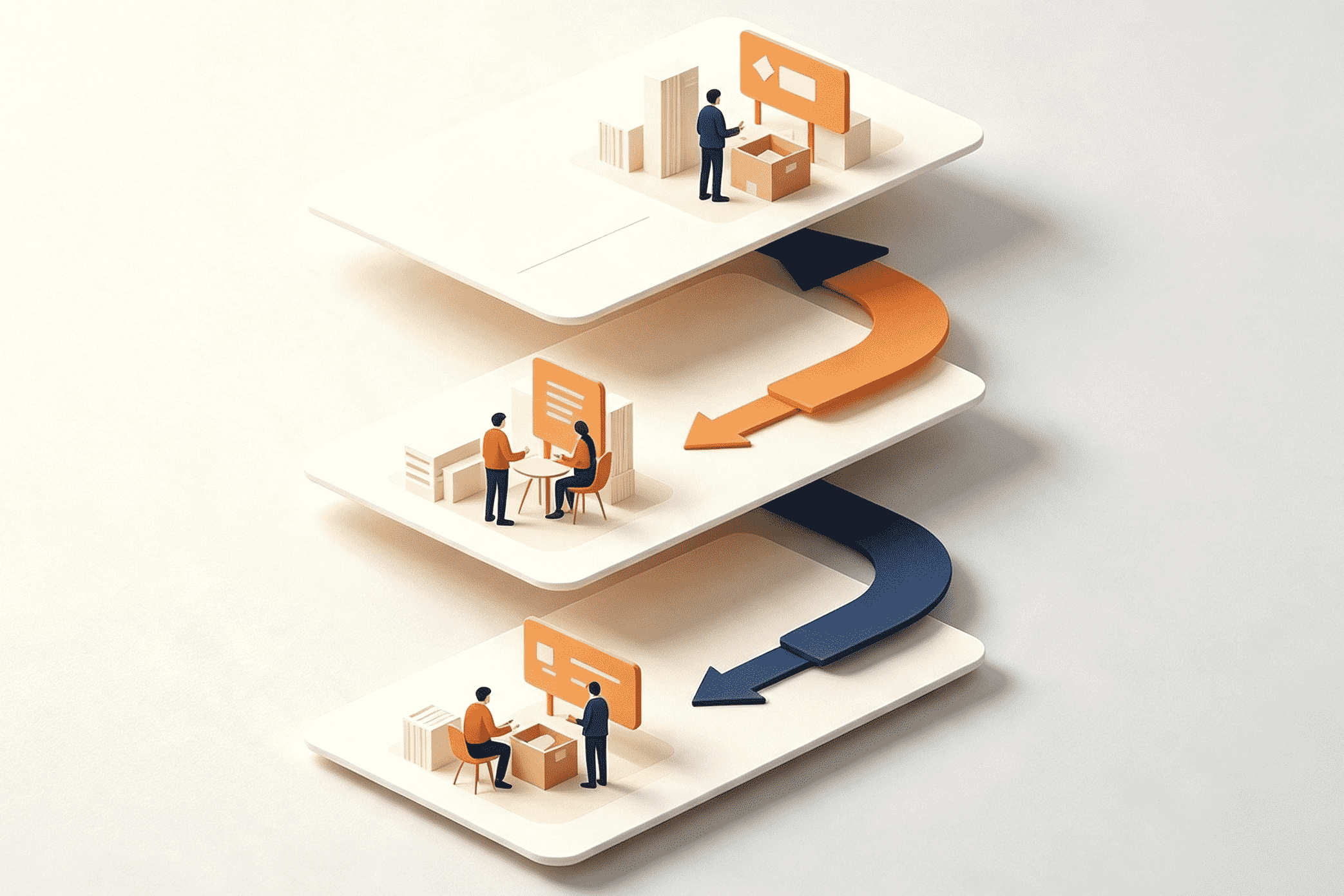
A Three-Stage Service System
"Map the company → break through one scenario → scale in three stages." Every stage has clear actions, deliverables, and acceptance criteria — turning five unglamorous tasks into a verifiable rollout plan.

The Lighthouse Scenario: From 0 to 1
Map the company first: three-roll interviews, six enterprise base maps, a blocker list, and a scored scenario pool — then converge to 1-2 high-value, low-risk lighthouse scenarios. One scenario done end-to-end beats five half-done.
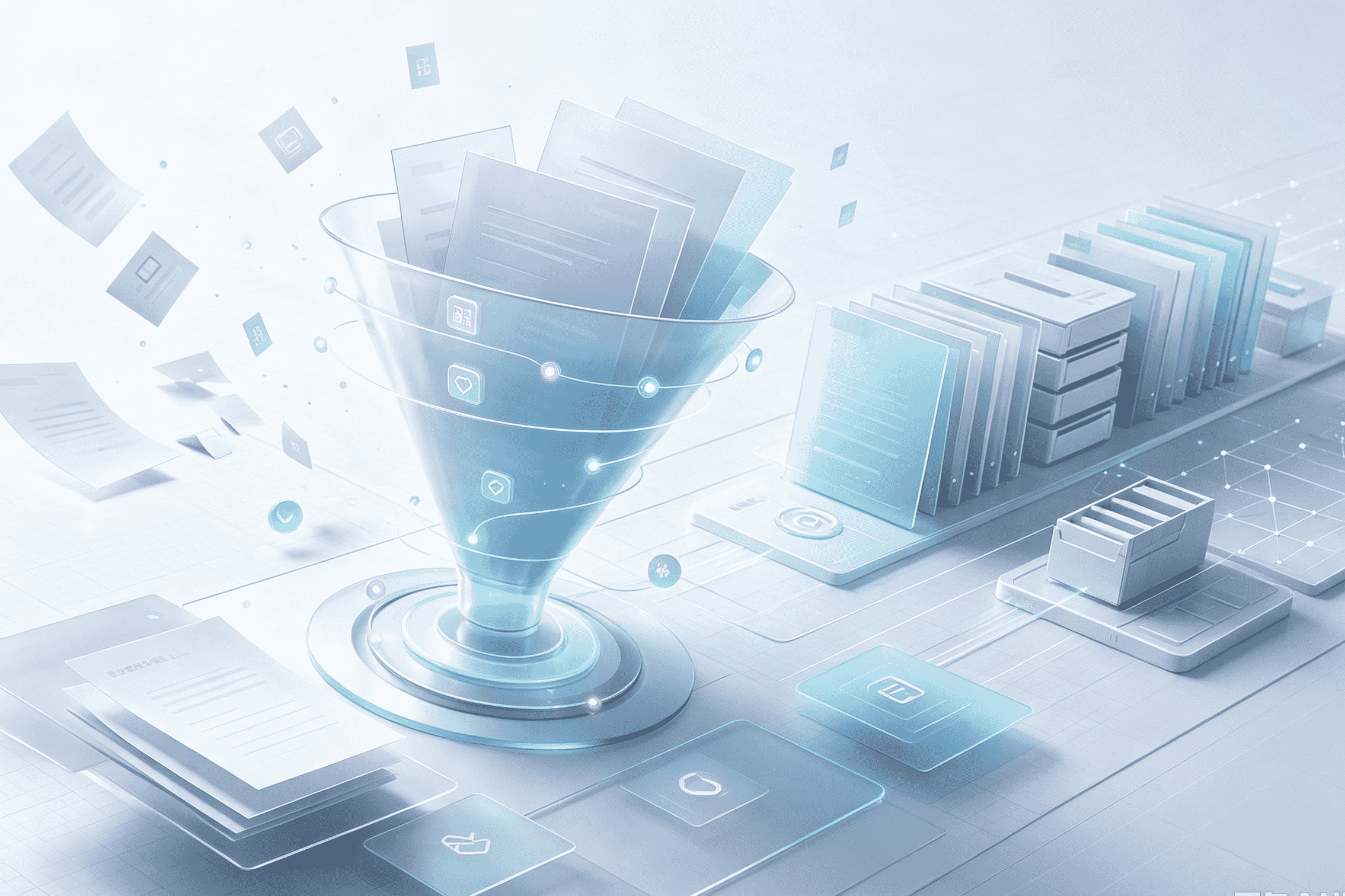
Knowledge: Govern First, Then Store
Before material enters the knowledge base, it runs through ten governance steps: collect it in, judge it clearly, then let it in. Inventory, classify, deduplicate, version — one problem per batch, so AI retrieves the right thing from the source.
You’ve Used Plenty of AI. Why Isn’t It in Your Business Yet?
A global client with 2,000+ employees across 130+ countries — even voice ordering running — still asks: we use a lot of AI, why isn’t it in daily business yet? Whether AI enters business has little to do with how strong the model is.